How I Chased 11 Million People Away From Facebook

By Elizabeth Speth

twitter

Because of me, 11 million pre-teens, high schoolers and college students have fled Facebook.

I didn’t act alone, but there is social networking blood all over my hands because, for the last three years, young people have been fleeing old people in droves on this platform.  They are running from my demographic.

I and my ilk ruined everything.  Moms.  Dads,  Aunts.  Grandparents.  We knew a good party when we saw it.  We ‘liked’ it, we joined, and the party was immediately over.

facebook 1

In a spectacularly self-destructive move, it was my daughter who first talked me into joining.  I was an anti-Facebook snob until she set up an account for me one day as I snoozed next to her on the couch.  And it was brilliant.  A huge time suck, but brilliant.  I posted pictures of myself (only the flattering shots), and of my children (when they were behaving and reasonably clean), my meals, my cocktails.  I took pictures of the garden, or at least the nice corners of the garden.

I may have shared some cute kitten pictures and videos.  I don’t remember.

I thought up witty posts and then checked them repeatedly  throughout the day, willing people to LIKE me.

And the whole time I didn’t realize we were hemorrhaging young people.  They were dropping like flies.  My children were sullen when I posted about them.  Furious when I finally figured out how to tag them.  They were getting disgusted, and I just didn’t see it.  I’m glad none of them ‘poked’ me.  I’m sure they would have drawn blood.

facebook 2

And still I just kept blundering along, multiplying my social media sins, knowing not what I did.  My friends too.  We told cute stories about our children, posted baby pictures, hinted that we still had romance with our spouses, talked about our hot flashes.  We asked our kids about what we read on their pages while they glowered at us.  What was the problem?  We were having fun.

facebook 3

I didn’t realize sending friend requests to all of Leland’s friends was a head-slappingly stupid move until I told him and he slapped his head.

“What were you thinking?” he demanded

So now I’m friends with quite a few of them, because they were too polite to say no, but they’re not there. Not anymore. Their pages are inert, gathering dust, last updated in 2011. Facebook is a ghost town, when it comes to young people.

They, in a migration to rival the infamous Trail of Tears, have sought refuge in places like Twitter, Snapchat, Instagram and some no doubt top-secret locations I will never know.

twitter 4

And until now, I have respected that.

Once I realized the magnitude of the destruction we’d wrought on Facebook, I was horrified, and I vowed I would stay there and give my poor children room to breathe, to enjoy their hard-won, post-exodus privacy.  I let my Instagram account wither, and slapped my hand every time it hovered over the Twitter app download button.  I wasn’t going to turn my poor offspring and millions of their displaced peers into refugees again.

twitter 2

I was meek, reprimanded, chastised, reformed.  Socially contained and completely harmless.

Until I went out to lunch with my college-age son Lyle, his buddy Brent, and my daughter Julia.  That was a game-changer.  A paradigm shifter.

Now I’m not sorry anymore.  The gloves are off.  So I can type better.

It started innocently enough.  We were chatting, laughing, catching up.  We enjoyed our Tower of Onion Rings and Hummus appetizers.  The boys had perfect burgers, thick and rare, with piles of thin fries on the side.  My lettuce wraps were excellent.

I may have had a martini.  I had a designated driver.  It was a small martini.  The glass wasn’t really even half full, so the second martini sort of made a total of one full drink.

Hey, there was a designated driver there.

On a side note, the martini was perfect. I’m particular about it being cold, and dry, with very good vodka, and the server relayed my instructions to the bartender perfectly.  The result was magical.

And then, as the server was clearing our plates.  I put my hand on her arm and I said something that didn’t come out the way it was supposed to.

It wasn’t inappropriate.  It was meant to be a compliment.

I just switched around two little words, something that could have happened to anyone, and Bam! there is my son typing up a storm on his phone.  Thumbs flew for a few seconds, and then he put it down on the table, a satisfied grin on his face.

“What?” I said.

“Nothing,” he answered, taking a drink of his Coke.   Smirking into his glass.

Later, when I got home, I got someone who is now in the Witness Protection Program to show me my son’s tweet.

” Mama Speth said ‘Tell the martini the bartenders were great.’   It’s not even 2 pm!’

Well, as it turns out, 55-64 is the fastest-growing age bracket on Twitter.  That’s not me yet, but I think I’m going to get a jump on things.

#Icankeepitto140characters

#hideyournaughtypictures

#mamaisfollowingyou

#Istillhavelotsofbabypicturesleft

#nowwheredidIputmyInstragrampassword

twitter 3


A Letter to my Children… About Love, Butter and Chicken Bones

By Elizabeth Speth

chicken 2

Dear Julia, Lyle and Leland:

As you know, your mother has been a vegan for more than two years now.  For health reasons primarily, I switched to a plant-based diet two years ago, and it’s working out very well.

But you also know I love pork products.  So much.

You know how I feel (very, very good) about raw oysters and a smear of bone marrow on crusty, buttered bread.  You still hear me talking about hamburgers, thick and rare, smothered in brie and bacon. And cheese…lordy, do I love cheese.

chicken 12

So I just want to thank you for giving me the opportunity to cook for you, you beloved carnivores, while I virtuously scarf down my legumes.  Because of you I still make cream sauces, rare meat, cheese plates, buttery desserts.  Because of you the kitchen still fills with the smells of these foods.

But there is something you may not know, because I have tip-toed around telling you for years.  In my defense, you spent the last decade as prickly adolescents who did not welcome a lot of gushing on the part of your mama.

I don’t hold that against you.  It was as it should be.

And now, you are all grown, and our conversations are filled with logistical questions.  When will we see you?  How is school going?  Are you getting enough rest?  What are your plans for the future?  

No wonder you don’t always want to talk.

So what I haven’t told you is that I cooked for you — then and now — as a way of saying how very much I love you.  That I hope the world will always be a warm place for you.  That people will be careful with you.  That you will be strong and nourished and understand that life is both work and pleasure, sometimes all in the same meal, as it were.

That, having eaten so many of the same meals, you will stick together. At least in spirit.

I wanted you to know that life is uncertain, with dark places that you must avoid.  That people — from your loved ones to your leaders — will switch loyalties.  That we live in a world where entire planes full of people can just disappear.

I cooked to comfort you.

When you needed it, and when you didn’t, because I wanted you to store up an entire lifetime supply of comfort. I wanted you to draw upon it as needed, long after the pancakes and pastas.

chicken 5

Now that you are rarely home for dinner, I realize it is time to give you a tool or two going forward to comfort yourselves.  I expect you to share this with your friends.  Share it with all the people you love. Some of them will hurt you.  Share anyway.  I want to give you one of the most basic life skills ever, and I hope it will help.

chicken 1

I want you to have the perfect roasted chicken recipe.

Everyone should know how to cook one.  But you will be among the few who do.  Consider it an embrace from me.  The day after you cook it, you can have sandwiches and chicken salad (hug!).  The day after that, put what’s left of that gorgeous carcass in the pot and make chicken soup (kiss!).

Now, before you get started, I acknowledge that you three spend hours in the gym on a regular basis to get the kind of lean body mass that eats skinless chicken breasts and brown rice.  It’s working.

The world never saw three more beautiful people.

But, at least once a month, you ought to cook chicken the way it was meant to be, under skin and on the bone.  Put a little butter on the skin (yes, that’s right, I said that), because life is about moderation in all things, including moderation.

You should be immoderate, a little, now and then.

As you bite into a crackling skin and meat so tender and complex it obviously had a long conversation with marrow during the cooking process, remember that your mother loves you.

chicken 6

You will need:

Salt and Pepper
One young roasting chicken
Butter – 1 cube, plus a basting brush
1 Lemon
1 Head of Garlic, unpeeled
Thyme – 1 bunch
Fennel
New potatoes (small red), or sweet potatoes peeled and cut into large cubes
Carrots, cut into large, rouch chunks

Pre-heat oven to 350. If your oven is not efficient, or does not hold heat, turn it up to 375.

Empty neck and liver, etc. out of center of chicken and discard. Just get in there and do it. Rinse chicken and pat dry. Sprinkle salt and pepper inside the cavity. Put butter on stovetop to melt, or into microwave. Do not burn or allow to brown.

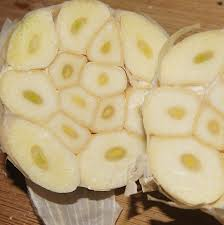
Cut the lemon into four parts. Put TWO into the cavity of the chicken. Cut garlic head in half across center, exposing as many of the cloves inside as possible by cutting them through the middle, like this:

chicken 11

Put half into cavity of chicken. Put other two pieces of lemon into cavity, followed by other half of garlic head. Stuff sprigs of thyme in after, as many as you can fit in. They will be partially sticking out of the cavity. Place the chicken in a roasting pan. Brush very thoroughly and thickly with melted butter, getting it into every nook and cranny and crevice. GENEROUSLY salt and pepper the chicken. Most of the salt and pepper will run off into the vegetables, so don’t spare the seasoning.

Tuck the wings up against the body so they won’t burn. Truss the chicken by tying the ends of the drumsticks together with kitchen twine. That’s all you have to do in terms of trussing.  Just tie the two ankles together.  This keeps the drumsticks from burning, and the chicken from cooking too fast.

We must plan ahead to preserve the things we love.

Rough-cut the fennel, potatoes and carrots into large chunks. They should all be the same size. Arrange them around the chicken in the dish, nestling them firmly against the wings to keep them next to the body. If you have leftover butter, drizzle it over the vegetables. Put into the oven, and forget about it for at least an hour.

Just step away and let it happen. You’ve done everything you should have.

chicken 3

Remove the chicken from the roasting pan after at least an hour. The skin should be uniformly brown, the legs should move easily, and the liquid should run clear when you stick a knife between the drumstick and the body. Cover the chicken with foil and let rest for twenty minutes. Turn the oven up to 425, toss the veggies in the pan to cover them in liquid, and put the pan back in the oven for the twenty minutes the chicken is resting to caramelize veggies, unless they are already pretty brown.

Enjoy the meat and veggies with the broth. There will be plenty of it.

chicken 10 You should eat this with a salad.  Dark, leafy greens like spinach and arugula.  They are so good for you.  Dress it simply — olive oil, lemon juice, sea salt.

chicken 7You should also drink white wine with this, something full and rich, with oak and a hint of mustard.  Because — I’m just being honest here — wine is good.

And you should also have dessert.  I have some very good dessert recipes.   But that’s another letter.

Very much love to each of you three (you will never now how much),

Mom

chicken 4

An Interview with Mystery Writer Laura Crum

By Elizabeth Speth

blog 1blog 2blog 3

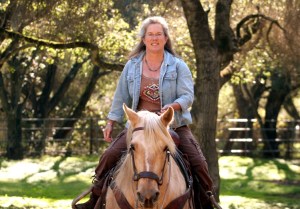
Biblical history insists that Death rides a pale horse, but author Laura Crum, having penned a dozen murder mysteries against a backdrop of galloping hoofbeats, has taught us that such assumptions are foolhardy.  And she has schooled us deliciously.

Crum graciously agreed to an e-mail interview from her home near Aptos, California, where she grows ravishing roses, nourishes the local hummingbird population, enjoys a good whiskey sour, and rides horses on the beach with her young son, whose attention, alas, is beginning to drift toward two-wheeled transport.

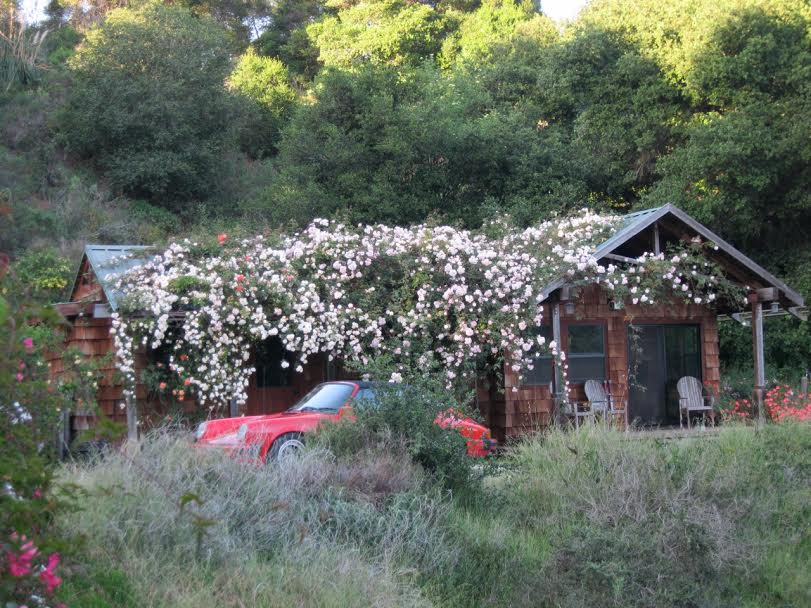
blog 6 (A shot of the Crum guest house, covered with welltended roses.)

Crum is a loyal friend.  The majority of her equine herd are ageing horses enjoying a well-earned retirement, lightly ridden on nearby beaches and through local forests.  This is just one reason, perhaps, that Crum manifests no regrets as she weighs in on an impressive body of published work.  She talks about her brilliant, strong-willed protagonist Gail McCarthy, an equine vet who often finds herself in the middle of murderous mayhem.  She is comfortable with the fact that tough, brave cowgirls don’t just fade away.  They become mothers and go through dark periods.  She speaks fondly of old ranch horses,  candidly about the state of publishing today, and revealingly of the small things in life that make us joyful.  She is a woman who decided to write what she wants to write.  She lives the same way.  From the heart.

Thank you so much, Laura, for taking the time to answer a few questions.  Would you please give us a brief biography?

Let’s see, I was born here in Santa Cruz County to a family that has been running a family ranch for four generations. I grew up riding my uncle’s horses out at the old ranch. He was a professional rodeo cowboy–a team roper–and this sort of sealed my fascination with the cowboy tradition. I did take riding lessons and learned to ride English and jump horses in my teens, but my true love remained working cattle on horseback. When I went off to Cal Poly San Luis Obispo (as an English major), I took along a horse that I’d broke and trained myself, and I trained several other colts while I attended that very horse-friendly college. Upon graduation I did not take a job as an English teacher (which I had trained to be), but rather went to work for a pack station in the Sierras, and then a commercial cattle ranch, followed by several years of working for a succession of horse trainers. Eventually I settled on cutting as my discipline of choice and hauled my horse, Gunner (I still have him today–34 years old this spring), all over the western United States to various events. We won a few buckles, but I burned out on the political aspect of the sport, and took up team roping (which is timed) in my thirties. Gunner made the transition to team roping horse at about the same time that I made the transition from training horses to writing novels.

blog 5(Laura and a strapping young Gunner.)

I had always loved the novels of Dick Francis, and when I realized that I was not getting any younger and I really didn’t want the stress of training young horses any more, I decided to try writing a mystery series in which I would use my background in the western horse world much as Dick Francis had used his background as a steeple chase jockey to create his mystery novels. And thus Cutter, my first book (revolving around the world of cutting horses), was born.

At what point in this biography did you know you wanted to be a writer?

From early childhood I knew that I loved to read and write. I always assumed that I would be either an author or a horse trainer.
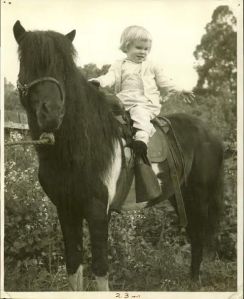
blog 4(Laura, already knowing exactly what to do with her life.)

Horse training came first, and when I got to the end of that, I began with the novels. Trust me to choose two professions that have failed to make me rich!

Your heroine is equine veterinarian Gail McCarthy. What is your relationship with her? How much of Gail is Laura Crum, and how did you decide who she would be and then go on to animate her so effectively?

I created Gail in a conscious way–basing her physical appearance on my best friend, and her history on another friend (male) who became a vet. I gave her my own opinions, by and large. Over time she became much more like me. In the early books, not so much. I did give her many of my own experiences and the background of the novels comes straight out of my life.

You’ve published quite a few books. Twelve that I know of. Describe writing your first book and the process of getting it published.

I wrote Cutter long-hand in a series of spiral bound notebooks, often sitting in front of the barn while the just-bathed Gunner dried in the sun, or in the pickup while waiting my turn at a team roping. It took me six months to write the first draft, and several years and many rejection notes later, an agent agreed to take me on. Then followed another year of rewrites–the agent was a former editor. At one point she told me that she didn’t like the plot, she didn’t like the protagonist, she didn’t like the villain and she didn’t like the tone. When I asked her what she did like, she said that she liked that it was about horses and it was set in Santa Cruz (!) So you see, I had a long way to go. After this year of constant rewrites my agent began sending the book out to publishing houses, and after ANOTHER year and some more rejections, Cutter was bought by an editor at St Martin’s Press. This was sort of a surprise, because I had always imagined the book as a paperback original, but it was actually chosen by a very respected mystery editor (Ruth Cavin) and came out in hardcover.

All artists are in awe of The Creative Process, I think. Some regard it as an angry god that must be appeased and humored. They are almost superstitious about it. You are a very prolific writer. What is your process?

This is a hard question to answer. To begin with, my process looked a lot like imitating Dick Francis, using my own background. I wanted to write about cutting and ranching and team roping and breaking colts and horse packing…etc, and I used the form of the mystery novel to do it. Whenever I got stuck, I would open a Dick Francis novel and see how the master approached this sort of dilemma. My first two or three novels really show this influence.

Over time I learned to write to a deadline. I never had a regular writing schedule–I’m not that disciplined. However, after my first novel, I had a contract (and a deadline) for all subsequent novels. As the deadline got closer, I’d push myself to get it done. I also learned that feeling “inspired” doesn’t always make for better writing. Some of my best writing came from periods when I was just slogging along, getting it done. I also learned to wait. To let things percolate. Sometimes the answer would just come to me and THEN I would sit down and write.

After quite a few years of turning out mystery novels (I wrote these twelve novels over a twenty year period), my writing became far more about expressing small insights that I wanted to share, and less about trying to write the sort of books that I thought would “sell.” And, quite predictably, I never became a “best seller.” But I did learn to write in my own voice, and no longer needed to imitate other writers.

Publishing has changed so much in the last decade. The word ‘changed’ is inadequate. What are your thoughts on this? What are the challenges authors face today?

Yes, it is SO different from when I started. Then you had to get an agent and your book had to be bought by an editor. “Self-published” was a dirty word and such books were never successful. Editors almost never bought unagented books. And it was terribly hard to get an agent because legitimate agents worked only on a commission basis. Thus they really had to believe in your work before they would take you as a client. And, of course, there were (and are) always an infinite amount more folks wanting to be published than traditional publishing would take on. So the agents and editors weeded out what they deemed the good from the bad. It was really hard to “break in.” (See my story about publishing my first book.)

Now self-publishing is a viable option (though these writers prefer to call themselves “indie authors” I believe). I’m not sure what I think about this. I can tell you that putting my backlist (which was out of print) up as Kindle editions has been quite a nice thing for me. I get a check every month, far more than I used to earn in conventional royalties. But I definitely tend to shy away from all the “indie” books out there. I know some are good–I just don’t know how to sort out the good ones.

We must talk about the horses. They’ve been, and are, a very large part of your life. They are a large part of Gail McCarthy’s life. Can you speak to the relationship between (wo)man and horse in general terms, and in your own experience?

I’ve always been passionately drawn to horses. My earliest memory is of being put on a horse with my uncle and loping along in the saddle with him. Ever since I was first allowed to buy a horse (with my own hard-earned money at the age of fifteen), I have always owned horses. I’ve never lost interest in them, though my life has gone through many changes. I no longer compete on my horses or train horses, but my son and I still trail ride together on our steady mounts. And I still have my two older horses that I competed on for so many years–they are retired now. Gunner (34) and Plumber (25) are featured equine characters in my novels, and Sunny and Henry (our two current trail horses) come into the last two books (Going Gone and Barnstorming). Our much-loved pony, Toby (now deceased and buried here) is featured in Chasing Cans. My life, like my books, has been very much about horses, and I am still passionate about them, although these days living with my horses here on our property probably means more to me than any other aspect of my horse life.

I think there are many women (and a few men) who, just like me, have been passionately drawn to horses all their lives. Some, like me, have been lucky enough to live out their dream. I wrote my novels to all these other horse lovers, including those who never quite had the life with horses that they dreamed of.

blog 8(A portrait of the artist in her element.)

What are your writing projects going forward? I know you publish a weekly equestrian blog (it’s marvelous). Do we fans have any Laura Crum projects to look forward to?

I love writing blog posts on the Equestrian Ink Blog. It’s so much easier than writing fiction (at least for me). I probably never would have started my own blog, not thinking that anyone would be interested in my day-to-day thoughts. But having been invited to join Equestrian Ink several years ago, I have really enjoyed writing posts and connecting with readers.

I always meant to write a dozen novels in the Gail McCarthy series, and that goal has been accomplished. I’m not sure if I will write more books about Gail–so far it feels good to end the series at book number twelve–Barnstorming. I recently finished a brief memoir about my real life history with horses that is meant to be a companion to the mystery series. I plan to have it up as a 99 cent special on Kindle in the next few months. My latest writing project is an essay I wrote just for myself–about the magic I’ve experienced in my life. Not sure if I will publish it or not. But it was an interesting experience to write something that I wanted to write just to please myself.

One of my personal favorites among your books is ‘Slickrock’. It reminds me of some wonderful experiences horsepacking in California’s wilderness areas, which are of course renowned for their slickrock. Do you have a favorite amongst your wonderful stories?

As many authors say, it’s like trying to pick your favorite child. All the books are special to me for one reason or another. I think I improved as a writer quite a bit after my first novel–Cutter is definitely a slightly more amateurish book than the others. Slickrock (number five in the series) is the overall reader favorite, that is for sure. It is a book that I really enjoyed writing, and much of the material in it comes from journals that I wrote while horse packing and camping in those mountains. The sixth book, Breakaway, is probably my darkest book. People either love this one or hate it. The last four books (Moonblind, Chasing Cans, Going Gone and Barnstorming) deal with my protagonist getting married, getting pregnant, having a baby and raising a child. As some of us know firsthand, these are huge life experiences, and I wanted to write about them (there are lots of horses and danger in these books, too–I promise). These “mama” books are very special to me, but I am quite aware that many readers preferred my heroine as a single, tough-minded veterinarian rather than a mom. But you can’t please everybody, and in the end I chose to write what I wanted to write. All my books come from the heart.

blog 7

Carpe Diem

By Elizabeth Speth

blog 2

A friend of mine from long ago taught me the concept of the Five Star Day.

It’s a day in which multiple good things happen.

There are different degrees of Five Star Days, from the epic to the quietly sublime.

Winning the lottery, booking that trip to Paris and then celebrating with friends at a fabulous restaurant would be an epic Five Star Day.

A day spent skydiving, mountain climbing, deep-sea fishing and then eating the best meal of your life, all in an exotic foreign location, would be epic.

Having quintuplets would constitute an epic day, at least until the reality set it.

Yesterday I had a Five Star Day of the quietly sublime variety.

For starters, all of my three grown children were under the same roof for a while.  One son was home from college for the weekend, my high school senior graced us with his presence for a few hours, with the bonus of his lovely girlfriend visiting, and my daughter dropped by for a visit.

I made pancakes for breakfast.  My daughter helped me cook lunch, a delicious pasta dish.  That was nice.

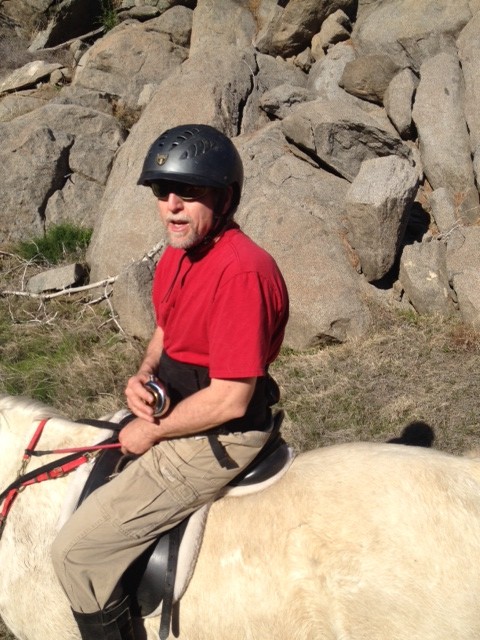
Then we headed out for a horseback ride on a gloriously bright spring afternoon.  My horse, Rushcreek Newly, was beautiful and feisty and eager to get down the trail.  He was sure-footed and steady, giving me one exuberant crow hop cantering across an open field, but gently enough that I stayed securely in the saddle.

blog 7 This is Newly, deciding where he’ll spring his little buck on me.

The world was almost impossibly green, our drought-starved area having just gulped down several days’ worth of rain.  But the trails were dry and the footing good.

Even the poison oak was beautiful.  There is going to be a lot of it this year.

blog 5 This is poison oak.

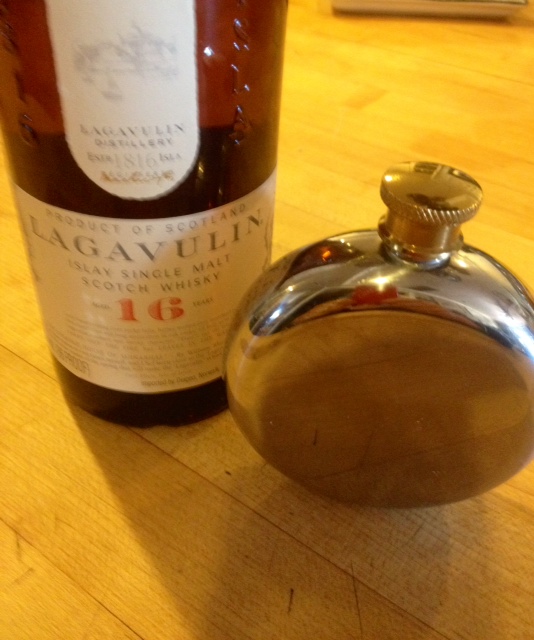
I had Lagavulin in my flask, and every once in a while we stopped cantering and trotting and let the horses munch on sweet grass while we partook of a smokey drop or two.

blog 4 We raced the setting sun back to the horse trailer.

Back at the trailhead we chatted with old friends and made a new one or two.  There were lots of horsemen and woman out, and everyone was happy.

Just as we were hauling the trailer up the driveway back home, my stomach rumbling and the words “I could really go for some pumpkin curry right about now” on my lips, a text popped up on my cell phone from my friend Tracey.  She and her husband Kent were heading to the nearby town of Auburn for dinner.  Would we care to join them.

Would we ever.  It took us two minutes to unload the horses and pull sweaters over our dusty riding clothes, and off we went.  I didn’t even change my boots.

We met at the Royal Thai restaurant in Auburn, one of my favorite places.  I experienced  a small twinge of guilt for overtaking the dinner plans to land us there.  But their pumpkin curry haunts me.  I sometimes sneak a bowl when I am allegedly out grocery shopping or doing other worthwhile things.

blog 1

So I got to have pumpkin curry, my own bowl and half of Tracey’s.  I’m pretty sure she offered it to me.  I hope so.

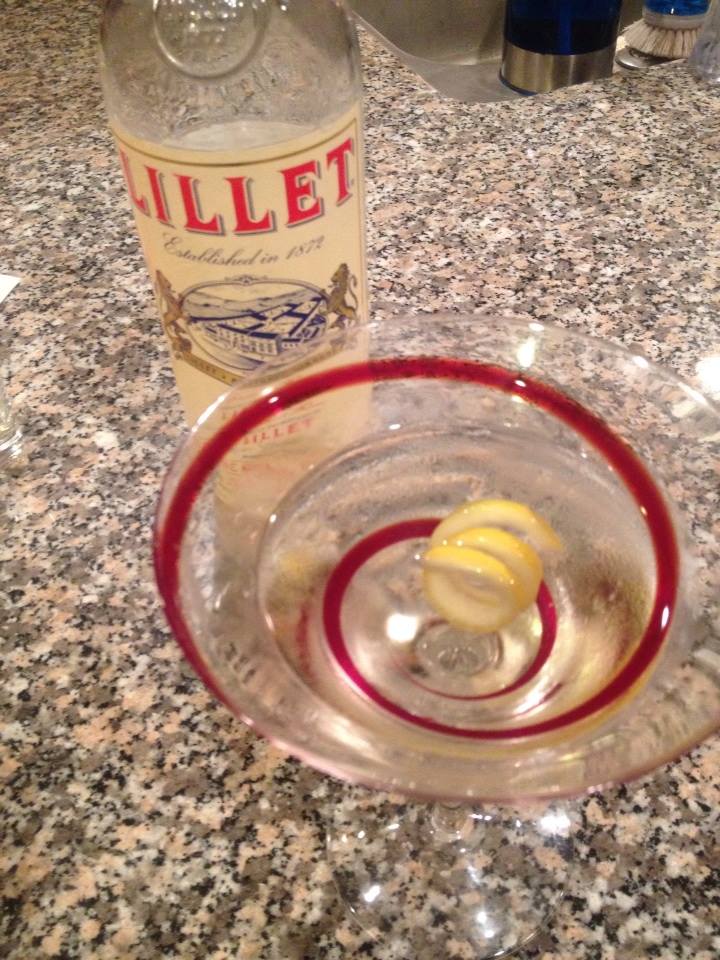
Then we went back to Kent and Tracey’s, and Kent made us Vespers, a drink for which he should rightly be famous.  Russian vodka, English gin, ice-cold Lillet, and the most perfect lemon twist.

blog 6 Shaken.  Obviously.

Then we made plans to meet for breakfast and a hike the next morning, and the day, so well begun, ended on a hopeful, happy note.

blog 3 One last picture from our ride. We passed this stretch of old cattle fencing on the trail.  Even barbed wire is beautiful on a Five Star Day.

I know we all have a certain number of epic Five Stars allotted to us in a lifetime.  The number may depend a bit on how vigorously we chase them.  I think the potential for quietly sublime Five Stars, however, is endless.  I am always grateful when one sneaks up on me.

So Long, Ina…It’s Been Perfect

By Elizabeth Speth

flowercamelia 2

Yesterday my perfectly balanced existence came unravelled.

I like to get up at four a.m. to exercise. Between the job, short winter days, morning and evening horse chores, making dinner and running errands, it can be hard to exercise regularly. You know what I’m talking about.  Your to-do list looks different, but the situation is likely the same for you.

By the time evening rolls around, the wine cabinet is calling louder than my running shoes, which are actually not very communicative. They talk to me like my mother did when I misbehaved in church. With pinches.

And all the studies tell us that if we don’t move, our inert bodies will turn into flabby, depressed, chronic medical conditions.

But at four a.m., I never have appointments. Everyone who might need something from me is sleeping. Cats, dogs and horses haven’t yet manifested the signs of entitlement to breakfast that sunrise seems to unleash. (After six a.m. I can feel the equine glares coming through the walls.  I don’t look out windows — they are waiting there to make reproachful eye contact over the fence.  The dogs stand next to their dishes and bark, and the cats yowl and weave through my ankles until I trip right into the cat food bin.)

But at four a.m. I am alone, and the world is still dark and protective of my time. Have I mentioned that my plans are completely unaffected by the weather?  Strangely, I don’t mind the lack of sleep.  I can always nap while I drive to work.

I turn on my favorite cooking show (Ina Garten, how I am going to miss you in the morning!), hop on the elliptical, crank up the incline and the speed, and get ‘er done. It’s not varied, like it’s supposed to be. I’m not in the best shape of my life, by any means, but the Surgeon General assures me it’s way better than nothing. This is the same Surgeon General who says red wine is good for me, so I trust the feedback.

But then my elliptical broke. On a rainy Monday. I pushed the ‘start’ button and the thing sighed and then died. I tried everything. I turned it over. Dusted it (I don’t know what that was supposed to do, but there was a lot of dust under there), and I even oiled its still machinery for the first time in our six-year association. Nothing. No signs of life.

So I had to go outside. My tight, unforgiving schedule now in chaos, I waited for sunrise and then set out in search of hills.

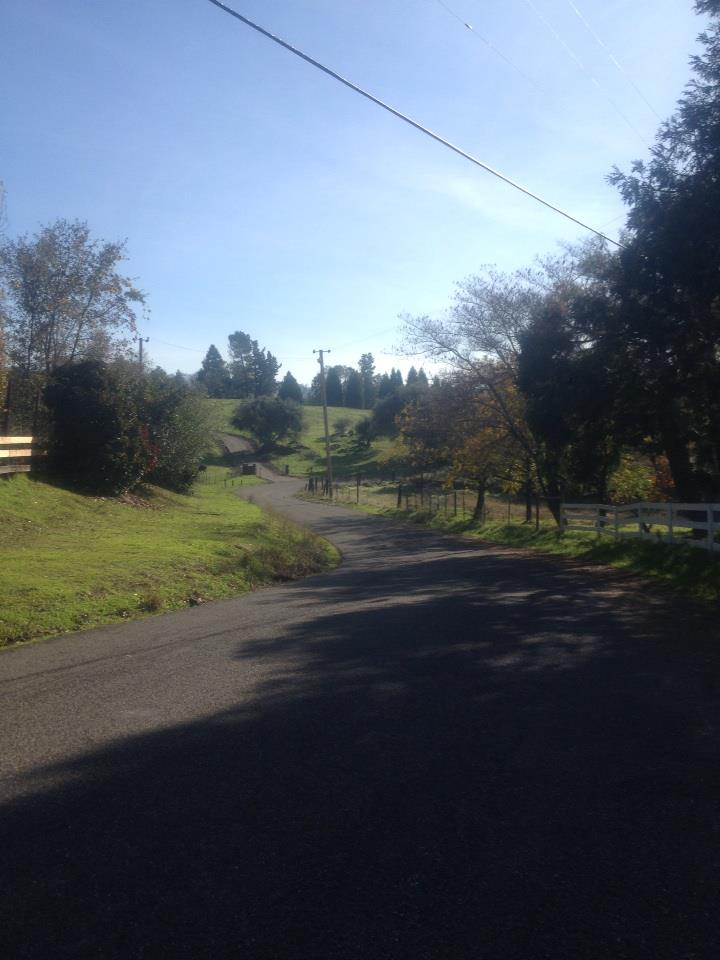
road (My neighborhood on a sunny day.)

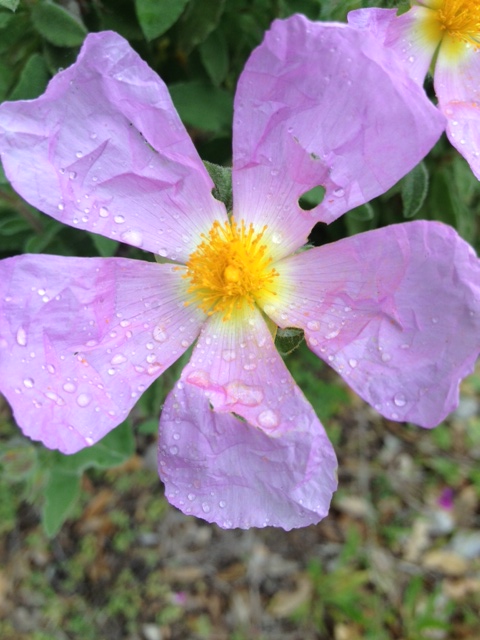
A vigorous walk around my rural neighborhood later, drenched from the rain, my lungs full of fresh air, my eyes full of sights like perfect camellias (see pictures at top) and goats playing on rocks and laughing children using bus stop puddles as weapons, I had to concede that shaking it up hadn’t been all bad.

I think I may have been in a rut.

Sometimes Life finds you complacent, sees your world narrowing to just your comfort zone.  Sees you softening with your smooth ride.  And Life says:  ‘Hey, that’s a waste of me.  This isn’t why I brought you here.’

And then Life breaks your elliptical machine and turns off Ina Garten, even though she was in the middle of teaching you how to make Perfect Hollandaise Sauce Every Time.

ina (I think she’s going to miss me too.)

Well, Life.  Guess what? I’m not fond of the uncertainty that goes along with climbing out of a rut.

But I do like the scenery.  So.  Thanks for that.

Schooled By A Short, Disheveled Historian

By Elizabeth Speth

blog history

I’ve told this story before.  It’s a mark of old age when we start repeating our stories.  But this post is about history, so there you go.

My neighbor’s grand-daughter is visiting. She is about eight. She played all afternoon in the field next to my south pasture, loud and happy to be alone with her imagination. She was an entire school yard of energy and noise. It was glorious — exactly what our neighborhood has been missing.   I lingered over my manure scooping to absorb the joy.

blog running in field

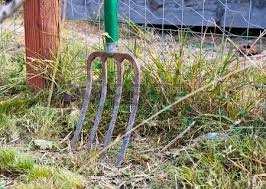
After she emitted a particularly loud series of whoops, I set aside my pitchfork and waved at her over the fence.

‘Are you okay?”  I called.

She galloped over on an invisible pony, face smudged with dirt and hair disheveled from flying behind her all day, trying to keep up. She narrowed her eyes and gave me the ‘so you’re the crazy neighbor‘ stare.

“Have you lost a limb?” I asked.

“No”, she said.

“Well, what was that noise?” I wanted to know.

“It was a war cry,”  she said.

“A war cry,” I repeated.  “And how does that work, exactly?”

“I make the noise, and everyone comes to fight. Indians, soldiers, cowboys, everyone,” she said.

I gave this some thought.  I know from experience that what a child deems worthy of saying deserves consideration, which makes conversations a minefield if you are not on your game.

“So…” I began respectfully.  “They all of them just know to drop everything and come with weapons drawn when you do that?  I mean, it’s just the one cry for all of them?”

“You don’t know much about history, do you?” she asked me, narrowing her eyes still more.

I allowed that what I knew of history was perhaps not as useful as what she had learned.

She wheeled her imaginary war horse, talking to me over her shoulder as it pretend-danced and pranced.

“I don’t have time to explain it all to you,” she said. “Time to fight!”

And off she went.

blog girl with horse
I hope she made it through battle without injury.

I hope her steed was brave and true.

And I hope she stays this age for about three more decades.

Me?  I go back to shoveling poop, which is the fate of those who do not pay attention to history.

blog pitchfork


An Ode To The Hard-Working Cocktail

By Elizabeth Speth

cocktail 14

The cocktail may be the hardest-working American out there.

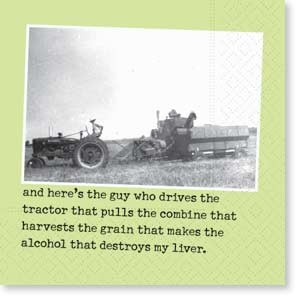
Think about all this little dynamo does.  It lubricates the enormous social machine that is our culture.  Without it, no one would donate money to political causes.  Fewer of us would write checks for charity. Questionable business deals would die a natural death.  Entire friendships and marriages would be obliterated — would never have gotten off the ground — without cocktails.

And what has it done for you lately?

It makes your jokes funny.   After it gives you the confidence to tell them.

Your killer dance moves?  Alcohol.

Alcohol renders the ugly attractive.

It transforms bad ideas into brilliant ideas.

It deadens the pain somewhat when you act on brilliant ideas.

It pries your clothes off.  Banishes modesty.  Silences towering insecurities and inhibitions.

As my favorite writer/social commentator/biting satirist Dorothy Parker so famously said:

“I like to have a martini,
Two at the very most.
After three I’m under the table,
After four I’m under my host.”

This is Dorothy.  She looks like she’s had a few.  Which is why she was so funny.

Dorothy_Parker1

The first “cocktail party” ever thrown was allegedly by Mrs. Julius S. Walsh Jr. of St. Louis, Missouri, in May 1917. Mrs. Walsh invited 50 guests to her home at noon on a Sunday. The party lasted an hour, until lunch was served at 1 pm.

Clearly, they were amateurs.

Understand that I am not criticizing them for starting so early.

cocktail 8

I just can’t believe they quit so soon.

Despite its bumbling start, the idea caught on.  A local newspaper reported that:  “The party scored an instant hit,” and within weeks, cocktail parties had become “a St. Louis institution”.

References to the practice in early etiquette books advise cocktails to “occupy guests between related events and to reduce the number of guests who arrive late.”

Wha…? Who is even sober enough to think up these things?

Later experts advised using cocktail hour as a way of dispensing with social obligations to people you didn’t like well enough to dine with.

Listen. By the time we’re done with cocktails, I promise I will love you enough to eat with you.

But the sturdy cocktail survived all this early mismanagement, and evolved into an end-of-day grace note.  A transition between the bitter travails of the work day and the soft comforts of home.

An exhale, albeit an alcoholic one, in the mad rush of living.

An opportunity to wear flattering clothing and flirt.  Fashion pays attention to the cocktail.  There are cocktail rings, and dresses, hats and purses.

dress

They are all about playful allure.  As is the cocktail.

cocktail 2

Those who believe in the practice follow it rigorously.  We value our right to cocktail, and our loved ones accept and understand this.

cocktail 4

And, when we do so in regular moderation, we are the scientific  study subjects that appear to be living longer and better.

But enough about moderation.

I believe that all grown-ups, in a pact to keep the world a more civilized and genteel place, to keep the social machine running smoothly, are responsible for knowing how to make at least four cocktails.  You should have four recipes you can dash off without thought.  Drunk, even.

You can pick your own, whatever suits.  There are thousands, and new drinks are invented every day.  I’m a classicist, so I offer the following suggestions.

mimosa The Mimosa.

Everyone knows what this is.  Even your great-great aunt will sip one of these at brunch on Mother’s Day.  This is a Gateway Cocktail.  Everyone progresses to a darker place from here, but this is a sunny starting point.

Recipe:  Take a couple of swigs of orange juice.  It prevents scurvy.  Then rinse out the glass and pour yourself a proper serving of Champagne.  You’ve got no business putting orange juice in good Champagne, and life is too short to drink bad Champagne.

scotch Straight Scotch or Bourbon.

This is a serious drink.  A man’s drink, or a forceful woman’s. Figure out what you like.  Unlike wine, generally the more you pay the better it will be.  Once you find it,  research its origins.  Find out where in Scotland or Kentucky it was produced, and add just the smallest swig of water from that exact geographic area to your glass to bring out its natural attributes and regional charms, and to cut the alcohol.  Or just drink it straight.

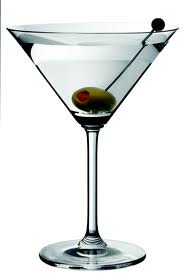
martiniThe martini.

Vodka for me.  If gin for you, great.  More vodka for me.  Same thing with a lemon twist or an olive.  You decide. Have your bartender whisper the word ‘vermouth’ over the shaker, and then he must shake that blessed thing until small ice shards are floating in the alcohol.  Martini drinkers can pick up the sound of a shaker in the largest, loudest restaurant.  It sounds like sleigh bells.  It means our drink is finally coming.  It MUST be in a martini glass.  Always.   And if there are no shards of ice, send it back.

cocktail margarita The Margarita.

This recipe is very simple.  First, throw away the blender.  Always salt on the rim. Ingredients: Tequila. Fresh Lime Juice. Simple Syrup. Triple Sec or Grand Marnier. Measurements:   Lots. A little. A little. A little.

Because it’s five o’clock (ish), and I’m sipping a vodka martini right now, I want to throw in a Bonus Recipe.  I feel generous.  I practically love you right now.  I really do.

My favorite national holiday, Kentucky Derby Day, is coming up, so you’re going to want to know how to make a Mint Julep. Easy.  Swish some bourbon and toothpaste around in your mouth. Spit into a silver cup.  Hand cup to someone else.  Scroll up for straight bourbon recipe.

And now, before we part company, a toast:

Never lie, cheat, steal or drink.  But if you must lie, lie in the arms of the one you love.  If you must steal, steal away from bad company.  If you must cheat, cheat death.  And if you must drink, drink the moments that take your breath away. 

Regrets…You’ve Had A Few

By Elizabeth Speth

what you know now

Hindsight is two perfectly matched numbers. Two eyes wide open, with the benefit of a clear, long gaze. Sure, we can see it now… If only we’d known… What we would have done differently…

I wanted to give you, Gentle Reader, the gift of hindsight without the pain.  I thought if I could take an overview, a wide sampling of others’ regrets, I could tie it up neatly and present it here, an offering, a ‘thank you for tuning in’, inoculation against future mistakes.

regret 1

Using social media platforms like Facebook, I solicited feedback from friends and strangers.

‘What is your biggest regret?’ I wanted to know.  Tell us. Tell us all what to do differently.

The answers came in a tidal wave.  A lot of people wanted to unburden themselves.  It was a lot of reading, and I was gratified at the response.

But I was very confused.  Here are some representative excerpts, with grammar and spelling changes to minimize distraction.

— I regret cheating on my beautiful wife of 16 years.  It ended our marriage, and I can’t even remember why I thought it was worth it at the time.

— I regret ever getting married.  Stupid.  And if you use my name, I will cut you.  Ha ha. (Side note to self:  Consider quietly unfriending this person after blog post is finished.)

—  I so regret smoking cigarettes in my younger days.

— I should have done more decadent, dangerous fun things.  I should have smoked, danced with strangers, taken a drink before passing the bottle along.  A little.  Playing by the rules sucks because you get to a point in life where no is tempting you to break them anymore.

—  I wish I could have had a closer relationship with my mother.

— I regret letting my parents influence my life’s choices as much as I did.  I should have taken about five steps back at adulthood.  I ended up living their lives, even after they proved they weren’t very good at it themselves.

— I wish I’d joined the military.

— I regret joining the armed services.  It wasn’t for me.  It led to a career that wasn’t for me either.  I’m 58 and just figuring out what I like to do, starting a new career.  Do you know how stressful that is?

— I wish I’d ‘stopped to smell the roses’.  As the cliché goes.

— I wish I’d gotten my allergies diagnosed sooner, figured out I shouldn’t be around anything that blooms, basically.  I could have saved myself years of misery.  Why suffer when you don’t have to?

Bewildering, right?  Which is the course we’ll be sorry for?  Eloping, or running off to join the ‘rock’n roll circus’, as one contributor put it?

regret 5

It wasn’t just the voice of experience that piped up here, either.  Regret is not the domain of the, shall we say, mature set.  I will cite the case of the young man who, at the age of Three, received an ‘educational’ gift from his very old great-grandparent at Christmas.  It was a set of magnetic letters, the kind you stick on the fridge and then forget for a decade.  This young man’s parents had raised him well, teaching him the value of good manners even before he could string enough words together to form a lisping sentence.

“No thank you,” he said firmly, handing the present back to the bewildered and elderly relative.  You know the end of that story.  Great grandparent passes away soon after.  Enough guilt to last a lifetime for our hero.

That’s not helpful to us, though, is it?  How is knowing that version of regret going to change anything going forward?  No one really did anything wrong there, did they?

regret 2

Don’t get me wrong.  There were some incredibly helpful lessons here:

“I regret a decade being a soccer parent, dedicating so much time WATCHING the kids play,” one mother said, citing the resources spent on hotels and traveling, only to place themselves at a remove from their children.  They were together, sure, but separate.  “I wish we had spent more time playing TOGETHER,” she said.

This was one of my favorite responses:

“All of my regrets seem to stem from a failure to be kind.  They are all tied to unkindness.  It’s as simple as that.”

A lot of you had regrets about ego and arrogance.  Hubris.  But your stories were funny when you told them.  You laughed, poked fun at yourselves.  I chuckled.  It wasn’t so bad.

Then there is Tracey’s story.  She is a friend of mine who kindly answered my Facebook plea for Tales of Regret, and she said I could use her name.  She talked about ‘the usual suspects’ when it comes to regret.  The first bad marriage, etc.  During her first bad marriage, she used to play the guitar and sing.  But her first bad husband told her she sounded terrible, and of course she believed him.  Then she met her second wonderful husband, Kent.  I’ll let her tell the rest.  I can’t.  It’s too hard.

“Kent, being Kent, researched guitars and bought me the best guitar he could find, a Martin, and gave it to me as a gift. I still haven’t picked it up to play it, but I will be ready someday.  My one true regret involves that guitar, though.  When my nephew John was a Senior in high school he took a class in learning to play the guitar his last semester. He had an old inexpensive guitar and I can vividly remember him practicing “Stairway to Heaven” in his bedroom over and over again. He came to me a few days before he had to take his final in that class in late May 2000 and asked me if he could borrow my Martin guitar to take his final with. Although the guitar had not been played in 15 years since my husband gave it to me, my first thought was how expensive it was and I didn’t want anything to happen to it. I immediately said no without thinking about it, putting a material object over my nephew’s desire to play my guitar for just a few minutes.

” John died of meningitis a couple of weeks later, just days after his high
school graduation.   I will never, ever forget his request for such a small
thing and my selfishness in denying him it.   I truly hope he is somewhere
playing Stairway to Heaven on a magnificent guitar and that he knows the
life lesson he taught me.”

At this point in the experiment, I began to resent the whole concept of regret.

What good does it do my dear friend Tracey, matriarch of large, strong family and overseer of a wide universe of well-loved friends?  She had a moment of imperfection, of distraction.  It is what humans are known for, how we are created.  It’s our ‘signature move’.  We make these mistakes.  Speak in impatience.  Overlook things.  Make snap decisions.  Do they define us?  Absolutely not.  And yet we do insist on carrying them forward, heavy and heartbreaking as they are.

Now for some good news.  We need it.

A very, very healthy amount of you said you had no regrets.  Well, you qualified it.  You said things like ‘no significant regrets’, or ‘none that really stand out’.  I’d say fifty percent of you, to my vast relief, articulated some version of that.

regret 7

One person pointed out that the mistakes and resulting heartbreak “became entangled in the fabric of how I understand my life…sometimes it seems to me that what looks like costly mistakes are just part of one’s path.”

I won’t argue with that.  It fills me with too much relief and joy.

“If you are not making mistakes, you are not living,” another opined.  “This does not completely protect me from regret.  My regrets come from not recognizing a (mistake) and then repeating it. I still do this a lot but less so than previously. Maybe I am finally growing up.”

Avoiding regret, someone pointed out, would have kept her from separating from her husband.   Things worked out all right for them in the end.  They got back together.  But not before she figured out that part of their problems stemmed from not standing up for herself.

“Not speaking my truth and being my own advocate would be regret,” she said simply.

Me?  I regret nothing.  Well, that’s not true.  I have been guilty of omissions of kindness.  Hubris.  Speaking in anger.  Being human.

regret 6

May it be ever thus.  Flawed as we are, as someone once pointed out, we’re all just walking each other home.

Sunday News: Prayers Visible To The Naked Eye

By Elizabeth Speth

Lupine.  Everyone gives thanks for lupine.

Larkspur.  Lupine. Everyone gives thanks for Larkspur and Lupine.

I once heard someone say: “What if you woke up tomorrow and the only things you had were the things you gave thanks for yesterday?”

My heart sores every day because this is my view walking into and out of my office.  I pass through this glory every day to go to work, and then again to come home.  Late summer butterfly photos.

My view walking between my office and my car.  Late summer butterfly photos.

That is why Sunday, for me, is mostly a silent day, a quiet string of gratitude prayers for the things I still want to have tomorrow. I spend the sacred day in church — in the Cathedral of the Outdoors. I try to trade whatever is troubling me — and on some Sundays much is troubling me — for thoughts of thanks.

Hank Thoreau, always a good guy for a nifty quote (and a lover of the Outdoors, so he’s okay in my book), said: “It’s not what you look at that matters, but what you see.”

I take that to mean we strip away the hurry, and the worry, the restless need to focus on the NEXT thing.  Open our naked eyes to really ‘see’ the beauty we  want again tomorrow.  Our loved ones.  Our surroundings.  All of it.   It’s a lot to take in.  Thank goodness.

Amen

I am grateful that there are bears where I ride and hike, and that I often get to see them.

I am grateful that there are bears where I ride and hike, and that I often get to see them.

My mare Cognac, giving thanks for a field of locoweed.

My mare Cognac, giving thanks for a field of locoweed.

Thank you, Mother Nature, for water droplets on leaves.

Thank you, Mother Nature, for water droplets on leaves.

blog leaf 1

How grateful am I for Outdoor Survival Kits?

How grateful am I for Outdoor Survival Kits?

Grateful my husband and I get to ride through tumbled hills of granite on the shores of Folsom Lake.

Grateful my husband and I get to ride through tumbled hills of granite on the shores of Folsom Lake.

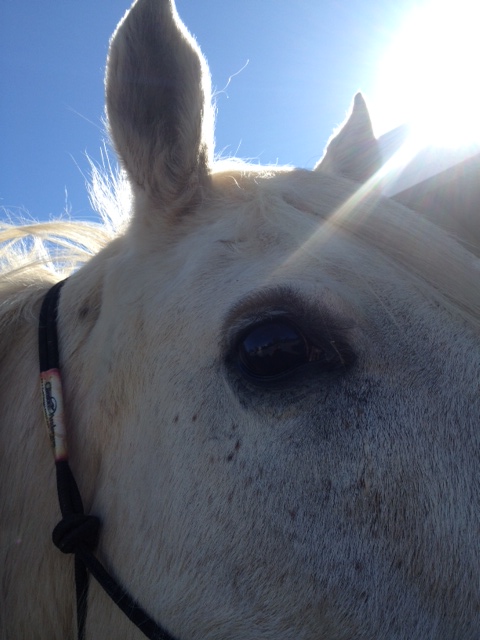
Newly's kind eye.

Newly’s kind eye.

Giving thanks for the view between my horse's ears.

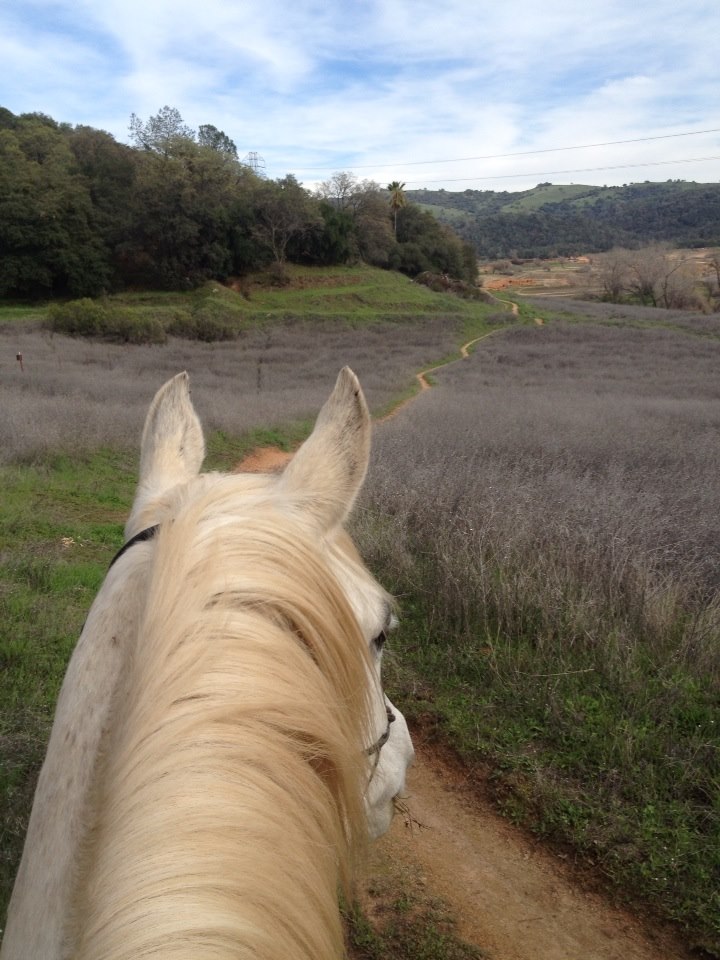
Giving thanks for the view between my horse’s ears.

I am grateful that a river runs through my outdoor cathedral.

I am grateful that a river runs through my outdoor cathedral.

I give thanks for wildflowers that look like rumpled bedsheets.

Always give thanks for wildflowers that look like rumpled bedsheets.

Koo-Koo-Ka-Choo Kitty

ursula 6ursula 1 

ursula 4

— By Elizabeth Speth

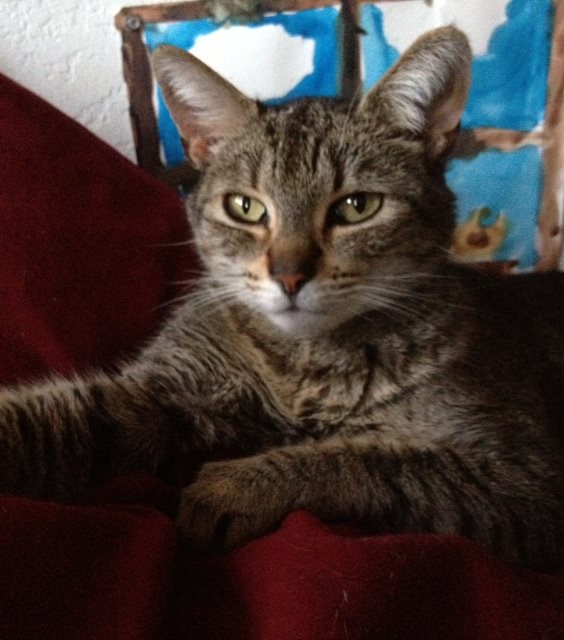
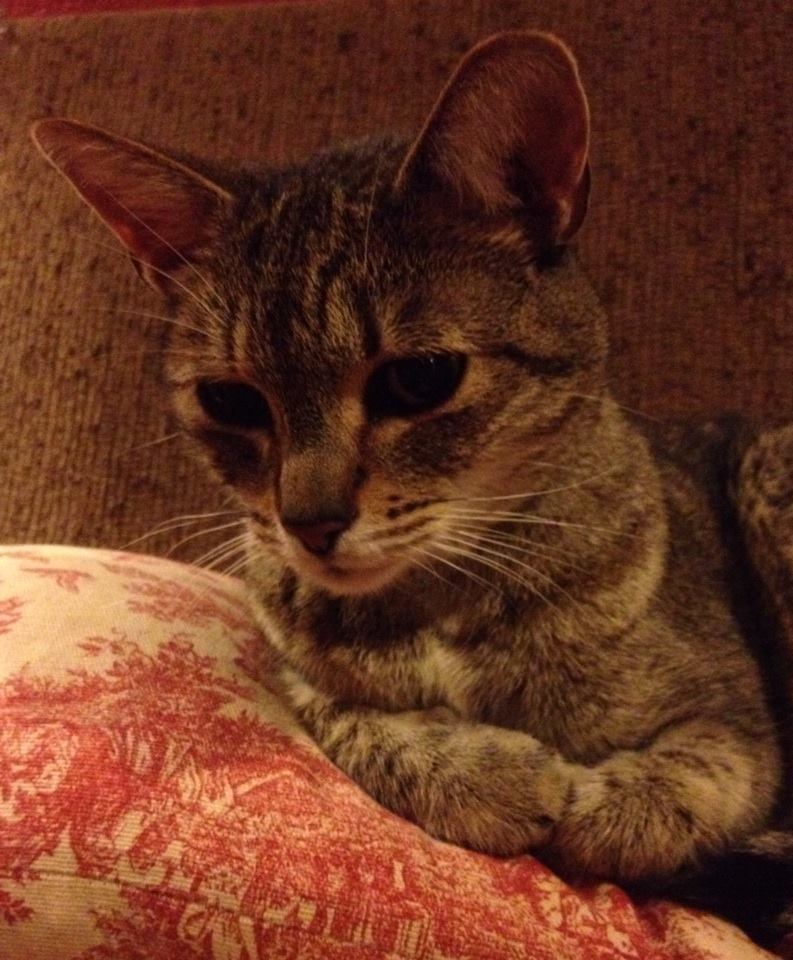
This is Ursula. We got her from a rescue organization for feral cats, and though she is nearly Ten now, she never grew much bigger than a kitten.  I don’t know anything about her parents.  I’m assuming Dad was a drifter.  A randy Lothario.  Probably a poster boy for the SPCA’s Spay and Neuter campaign.  Maybe a traveling litter salesman.  We can safely deduce he wasn’t fixed and he wasn’t a family man.

Mom clearly couldn’t keep it together either.   She gave up on her whole litter, and they all ended up in a box at a foster home, looking like a Crazy Cat Lady Starter Kit:

(I wasn't actually there for this part of Ursula's biography.  I've recreated the moment with a stock photo here.)

(I wasn’t actually there for this part of Ursula’s biography. I’ve recreated the moment with a stock photo here.)

We chose Ursula from the group.  I can’t remember why.  Possibly for cuteness reasons.  She came home and immediately began manifesting the multiple eccentricities that today define her furry little self.

She has tiny little paws and a little round face that is mostly eyes.  It is the eyes that tell you she is completely bonkers. Koo-Koo-Ka-Choo.  Totally cray – cray.  They usually look something like this:

ursula 7

(Note: I have used a stunt double for this photograph.)

This look means many things:

‘My water bowl is getting low.’

‘I think there is a mountain lion outside.’

‘Isn’t it time to eat?’

‘The icemaker sounds like it wants to eat me again.’

‘Can you rub my belly?’

‘You left the TV on downstairs.’

Every single day of her life she has forgotten she has a tail until it has snuck up behind her, tapped her lightly on the leg, and scared the bejesus out of her. Every. Day.

She is remarkably heavy on her feet.  We have wood floors, and no one in the family has slept between 1 and 3 a.m. since she came to live with us.  Those are the hours she gallops endlessly up and down the hallways for no apparent reason, like a herd of zebras on the savannah, punctuating the running with an occasional screaming slide and scramble on an area rug.

She lurks in shadows, and visitors never see her. My sons have friends who visit every day who actually doubt her existence.

She likes to go outside, but only thirty seconds at a time. You have to hold the door for her while she darts out, throws herself on the deck, rolls enthusiastically, and then races back in like the devil is at her heels.

ursula 5

(Ursula trying to decide if she wants to go outside.  Observe the tail sneaking up from the right flank. )Then she has to tell you, in her harsh, squeaky voice and for about a half hour, about how brave she was, and everything that happened to her out there.Ursula is a good conversationalist. If you look her in the eye and say something, she will always, always meow back. You can tell her about your day, your marital problems, your secrets. She’ll talk as long as you’ve got time. The longer you talk, the more adamant she is about what she has to say, and eventually the meows turn into howls which sound very sympathetic. You will come away from the conversation feeling understood.

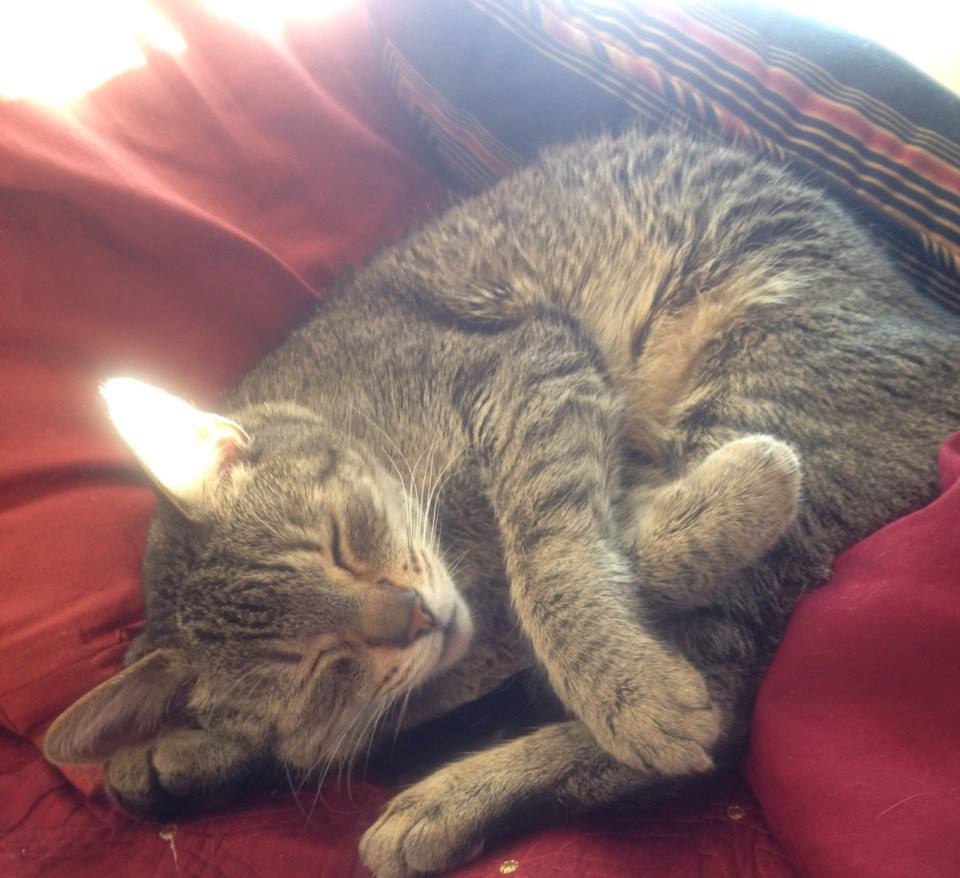
If you can, I very much recommend you take a nap with Ursula every day. Even if you are not sleepy, you should lie down on your side and she will find you. From across the house, she can hear you lie down on your side, and she will be there in seconds, curling into the little hollow your body makes, her breathing belly against your breathing belly, and she will drop instantly asleep. As you lie there, feeling that warm, rising and falling ball of fur, your stress will start to ebb, and in its place will be gratitude for the little, weird, quirky, chatty agent of its removal.

If you don’t have time for a nap, she will arrange herself prominently on a pile of pillows and wink beguilingly at you until you abandon all thoughts of going to work and you take a nap.

ursula 3

See what I mean?

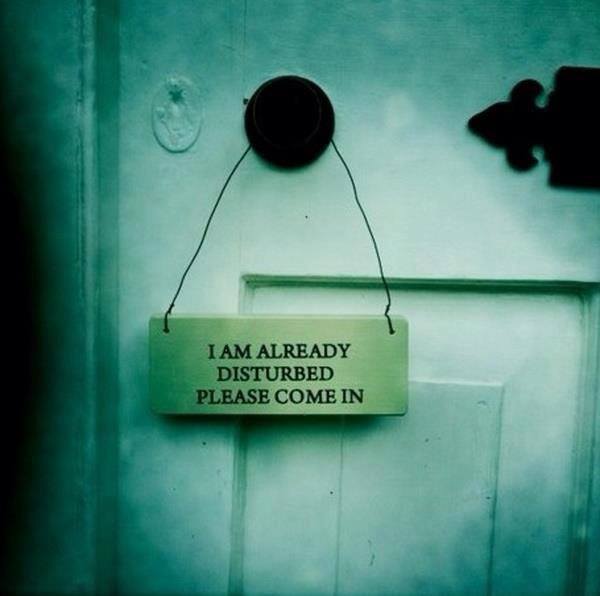
Sometimes I wish she had her own room, where she could do her sleeping thing without tempting the rest of us.  If she did, we would have to hang this sign on the door as a fair warning:

ursula 2

This is Ursula.